Flush, Poke, or Tuck: How the Fitment Obsession Rewired American Street Culture
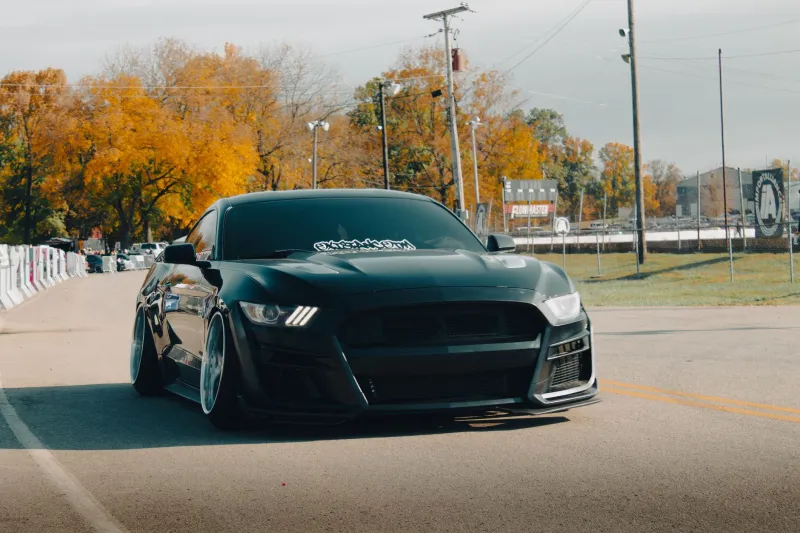
There's a moment every enthusiast knows. You're at a car meet, coffee in hand, scanning the lot — and then you see it. A car so perfectly planted, wheels kissing the fender lips just right, stance so dialed in it looks like it rolled off a render. You don't even know the make yet. Doesn't matter. The fitment alone stopped you cold.
That reaction? That's the whole point. And it's exactly how a movement that began in the parking lots of Osaka and Tokyo quietly took over American street culture.
Where It Actually Came From
Stance culture didn't originate in the US, but it found a second home here in a big way. The roots trace back to Japanese car culture in the late '80s and '90s — specifically the shakotan style, which prioritized extreme lowering and aggressive wheel fitment as a form of visual expression. When Japanese domestic market (JDM) content started flooding early internet forums in the mid-2000s, American builders paid attention.
The import scene was already buzzing stateside thanks to the Fast and Furious era, but stance was something different. It wasn't about straight-line speed or quarter-mile times. It was about presence. About how a car occupied space. That concept hit a nerve with a generation of builders who were more interested in turning heads at a Sunday morning car show than chasing track records.
By the early 2010s, you couldn't scroll through StanceNation, Hellaflush, or any major car forum without bumping into builds that prioritized offset, camber, and ride height above almost everything else. The language changed too. "Flush," "poke," "tuck," "negative camber" — these weren't just technical terms anymore. They were identity markers.
The Great Debate: Form Versus Function
Here's where it gets complicated, and honestly, where the culture gets interesting.
For every builder who nailed the perfect fitment without sacrificing much drivability, there were ten others who went so far down the rabbit hole that their cars became weekend trailers. Aggressive camber angles that chew through tires in a thousand miles. Wheel tucks so deep the fenders rub on every right turn. Springs slammed so low the car scrapes over painted parking lot lines.
Dave Kowalski, a suspension fabricator out of Phoenix who's been building stance-inspired street cars for over a decade, puts it bluntly: "The problem was that a lot of guys saw the photos and tried to replicate the look without understanding the geometry behind it. You can run aggressive fitment and still have a car that drives well — but it takes real work. Air suspension, custom control arms, proper alignment specs. It's not just 'slam it and call it done.'"n That tension between form and function became the defining argument of the entire movement. Purists on the performance side dismissed stance builds as "useless" and "Instagram cars." Stance guys fired back that traditional hot rod culture was equally obsessed with aesthetics — nobody was questioning whether a 1950s show rod was "functional."
Both sides had a point. Neither was entirely right.
How It Changed the Way Americans Build Cars
Regardless of where you fall on the debate, it's hard to argue against the cultural footprint stance left on American builds. Walk through any major car show from SEMA to Wekfest to your local regional meet and the influence is everywhere.
Body kit design shifted dramatically. Wide-body kits — once the exclusive territory of race-bred GT cars — became mainstream partly because builders needed the fender clearance to run the wheel fitment they wanted. Companies like Rocket Bunny, Liberty Walk, and their American counterparts exploded in popularity not just because the kits looked aggressive, but because they gave builders the real estate to go wider on their wheel specs.
Suspension geometry choices changed too. Air ride systems, once considered a luxury item for show trucks, became a legitimate performance and fitment tool for sports car builds. Brands like Air Lift Performance and AccuAir built entire product lines around enthusiasts who wanted the look dialed in without destroying their daily drivability. Coilover manufacturers started offering more aggressive camber plates and adjustable arms as standard kit components.
Even the wheel industry transformed. Brands like Enkei, Work, Volk, and a dozen boutique American manufacturers started producing fitment-specific offsets and stepped lips to meet the demand. The conversation around wheels shifted from "what fits" to "what fits perfectly." That's a meaningful distinction.
The Builders Who Got It Right
The most respected builds in the fitment game tend to share a common thread: intentionality. The guys who earned long-term credibility weren't the ones who went the most extreme — they were the ones who made deliberate choices and understood every tradeoff.
Take the S-chassis community as an example. Nissan 240SX builds have been central to American stance culture since the beginning, partly because the platform is so tuner-friendly and partly because the proportions lend themselves beautifully to aggressive fitment. The builders who really elevated the craft weren't just slamming S14s with stretched tires and calling it a day. They were speccing custom subframe collars, running proper alignment after every suspension change, and choosing wheel dimensions that worked with the car's actual geometry rather than against it.
Jordan Reyes, who runs a small build shop in the San Fernando Valley, has been building S-chassis cars for fifteen years. His philosophy is simple: "If the car can't drive to the show on its own, it's not a street car — it's a trailer queen. I want the fitment to look insane, but I also want to be able to take the freeway home afterward."
That mentality — extreme aesthetics without abandoning real-world usability — is where the most compelling builds live.
Where the Fitment Culture Stands Today
Stance culture isn't going anywhere. If anything, it's matured. The rawer, more extreme expressions of the early 2010s have given way to something more refined. Builders are more educated about suspension geometry. Air management systems are more sophisticated. The community has had enough collective experience to separate the approaches that work from the ones that just look good in a parking lot photo.
What's also interesting is how fitment thinking has bled into segments of the car scene that once wanted nothing to do with it. Track-oriented builds now pay more attention to wheel fitment for aero and handling reasons. Muscle car builders are speccing wider rear rubber with offset choices that would've been considered "import stuff" a decade ago. Even truck culture has absorbed elements of the stance aesthetic.
The fitment game changed American street culture not by replacing what came before it, but by expanding the vocabulary. It gave builders a new set of tools — visual, mechanical, and philosophical — to express what they wanted their cars to say.
And when a car rolls into a lot and the whole crowd turns to look before anyone even registers the make or model, that's the fitment game doing exactly what it was always designed to do.