Old Steel, New Soul: How Restomod Builders Are Rewriting the Rules of the Street Scene
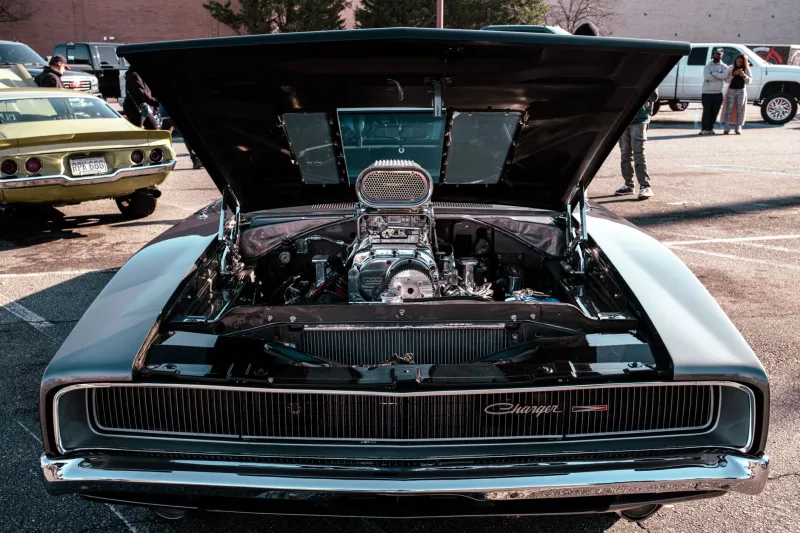
There's something almost poetic about a 1969 Camaro sitting on a set of Baer brakes, carrying a fuel-injected LS3 under its hood, while the rest of the world argues about whether to go full JDM or chase the latest Euro tuner trend. That Camaro doesn't care about the debate. It just runs — hard, reliable, and beautiful — every single time you turn the key.
That's the restomod promise, and right now, it's one of the most exciting movements happening anywhere in American car culture.
What Exactly Is a Restomod?
For anyone who's new to the term, a restomod sits right between a full restoration and a ground-up custom build. You're taking a classic vehicle — think early Mustangs, first-gen Camaros, C10 pickups, classic Broncos, or vintage muscle cars from the late '60s and early '70s — and you're upgrading the mechanical guts with modern components. The body and overall aesthetic stay period-correct or close to it, but underneath? That's where things get seriously interesting.
We're talking modern EFI engines, four-wheel disc brakes, independent rear suspensions, rack-and-pinion steering, climate control, and in some builds, even digital dashboards hiding behind classic gauge faces. The car looks like it rolled out of 1971. It drives like something built yesterday.
Why Now? Why Is This Blowing Up in 2024?
Honestly, a few things are colliding at once to make restomods the hottest thing on the street scene right now.
First, the classic car market has matured. A lot of enthusiasts who grew up wrenching on these platforms in the '80s and '90s now have real money to spend. They don't want a trailer queen. They want something they can actually drive — to Cars and Coffee on Saturday, down the canyon roads on Sunday, and maybe even to work on Tuesday without sweating through their shirt wondering if the carb is going to flood out at a stoplight.
Second, modern drivetrain technology has gotten ridiculously accessible. The LS engine swap ecosystem alone has made it almost trivially easy to drop 400-plus horsepower into a classic platform for a reasonable budget. Tremec transmissions, Wilwood and Baer brake kits, Viking and QA1 coilover setups — the aftermarket has basically built a catalog specifically designed to modernize vintage vehicles. The infrastructure for this kind of build didn't exist at this level even fifteen years ago.
Third — and this one matters — people are genuinely tired of building cars that look different but drive the same. Late-model sport compacts and modern muscle cars are incredibly capable, but they're also increasingly homogenous. A restomod turns heads in a way that a tuned Civic or even a modified Challenger simply can't replicate.
Builders Are All In
Shop owners and independent builders across the country will tell you the same thing: restomod inquiries have surged. Guys who used to specialize exclusively in late-model imports or modern muscle have started taking on classic platforms because the demand is there and the money is real.
The builds range from tasteful to absolutely wild. On the conservative end, you've got owners who just want a clean LS swap, a modern brake kit, and maybe a revised suspension geometry to make the car actually handle. On the other end of the spectrum, there are full-on custom builds with billet everything, hand-fabricated interiors, and turbocharged powerplants making numbers that would embarrass a lot of dedicated track cars.
What's interesting is that the restomod crowd tends to be pretty particular about keeping the visual identity of the original car intact. These aren't wild custom builds where the body gets chopped and channeled beyond recognition. The whole point is that someone sees the car and immediately thinks "classic Chevelle" — and then their jaw drops when they hear it idle or watch it pull away from a light.
The Street Credibility Factor
Here's something the restomod scene has that a lot of modern builds struggle with: genuine street credibility that doesn't need to be explained.
When you pull up in a well-executed restomod, the conversation starts itself. Older enthusiasts respect the classic platform. Younger gearheads are curious about what's under the hood. Everybody wants to know the story. There's a narrative built into the car that a brand-new performance vehicle just can't manufacture, no matter how many carbon fiber panels you bolt on.
That storytelling aspect is huge in 2024's car culture. Social media has made the build journey just as important as the finished product, and a restomod gives you something genuinely compelling to document — sourcing the right donor car, the teardown, the fabrication challenges, the test drives, the final reveal. It's content gold, but more importantly, it's a real journey with real stakes.
The Honest Challenges
Not everything about the restomod path is sunshine and glory, and any builder worth talking to will be upfront about that.
Classic bodies are old. Rust, poor previous repairs, questionable original build quality — all of that comes with the territory. Finding a solid platform to start with has gotten harder and more expensive as the supply of unmolested classics keeps shrinking. A clean, rust-free '67 Mustang fastback is not a cheap starting point anymore. Neither is a first-gen Bronco or a square-body C10.
Fitment can also be a genuine headache. Modern drivetrains don't always drop neatly into vintage engine bays. Firewall modifications, custom motor mounts, transmission tunnel work — it adds up fast in both time and money. If you're going in expecting a straightforward bolt-in experience on every component, you're going to hit some walls.
And then there's the question of what you actually want the car to do. A restomod optimized for weekend cruising is a very different build from one you're planning to run hard on mountain roads or strip. Getting clarity on that before you start spending money is critical.
Where the Scene Is Headed
The restomod movement isn't slowing down — if anything, it's broadening. Platforms that wouldn't have been considered "worth" a serious restomod build five years ago are now getting the treatment. Early Fox-body Mustangs, classic Datsuns, vintage Scouts, even old Land Cruisers are showing up with modern powertrains and upgraded chassis components.
The definition of what counts as a "classic" platform is also evolving as time passes. That means the pool of potential restomod candidates keeps getting bigger, and the creativity in the scene keeps expanding along with it.
At its core, though, the appeal stays the same. It's about building something that connects the best of what American car culture has ever produced — the design, the character, the history — with the performance and reliability that makes a car genuinely livable in the modern world. That's not a trend that's going away anytime soon.
Old steel. New soul. The street scene is better for it.