Grudge Match: The Rivalries and Philosophical Wars That Built Street Car Culture
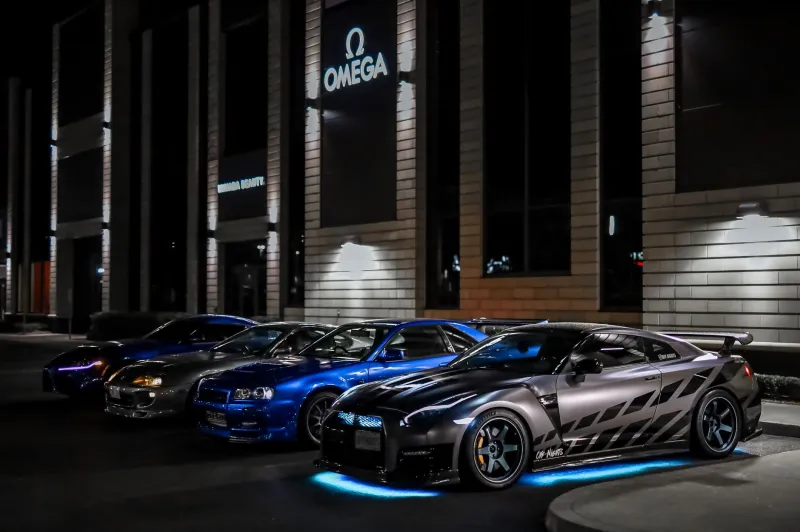
If you've spent any real time around the street car scene, you already know it's not all camaraderie and wrench-turning brotherhood. There's heat out here. Shop beefs that go back years. Instagram arguments that spill into parking lots. Philosophical divides so deep they might as well be trenches. And honestly? That tension is a big part of what makes this culture tick.
The rivalries in street car culture aren't just drama for drama's sake. They reflect genuine disagreements about what this whole thing is for. What a car should look like. What it should do. Who gets to call themselves a real builder. These fights have been happening since the first hot rod rolled out of a California garage, and they're not slowing down anytime soon.
East Coast vs. West Coast: More Than a Geography Lesson
Ask a builder from South Florida and a guy wrenching in Long Beach what makes a proper street car, and you might walk away thinking you were talking to people from different planets. The East Coast scene — particularly out of New York, New Jersey, and the DMV area — has long leaned into aggressive fitment, euro-influenced aesthetics, and a certain grimy, urban authenticity. These are cars built for real streets, not perfect asphalt.
The West Coast, meanwhile, carries the legacy of California car culture in a way that's almost religious. It's cleaner. More polished. There's a deeper connection to show car presentation, even when performance is the goal. The SoCal shop scene has produced some of the most technically impressive builds in the country, and they'll let you know it.
Neither side is wrong. But neither side is willing to admit the other might have a point, and that's where it gets interesting. The rivalry has pushed both coasts to sharpen their identities and raise their standards. You want to stand out when the other camp is watching.
Old-School Mechanics vs. the Instagram Builders
This might be the deepest fault line in the current scene, and it's getting wider by the year. On one side, you've got the old-school guys — the ones who learned from someone's uncle in a two-car garage, who can diagnose a misfire by ear, who think a build should be documented in grease and scars, not Reels and TikToks.
On the other side, you've got a new generation of builders who came up in the social media era, who built their reputations online before they ever turned a wrench professionally, and who understand that visibility is currency in today's scene. Their cars get featured. Their follower counts open doors. And the old heads can't stand it.
Here's the uncomfortable truth though: both camps have something the other desperately needs. The old-school guys have depth of knowledge that no algorithm can replicate. But the Instagram builders have democratized the culture in a real way — they've brought in younger enthusiasts, non-traditional demographics, and fresh money that keeps shops alive. The beef between these two worlds has produced some of the most creative builds we've ever seen, even if neither side wants to give the other credit.
Stance Nation vs. the Go-Fast Crowd
Few rivalries in the street car world generate more raw emotion than the ongoing war between the stance community and the performance-first crowd. To the stance guys, a car is a rolling piece of art. Negative camber, aggressive offsets, slammed suspension — it's expression. It's identity. It doesn't need to pull 1.1 lateral Gs to be valid.
To the performance crowd, a car that can't be driven hard is barely a car at all. They'll point to stretched tires and dragging splitters with barely concealed contempt. "That thing can't even make it over a speed bump," is practically a rallying cry.
What gets lost in this argument is that both philosophies have produced genuinely iconic machines. The stance scene pushed fitment culture to levels that eventually influenced factory design. Meanwhile, the performance obsessives gave us accessible horsepower benchmarks that made 500-wheel-horsepower street cars a realistic goal for regular enthusiasts. These aren't mutually exclusive visions — but try explaining that at a car meet without starting an argument.
Shop Rivalries: When It Gets Personal
Beyond the philosophical stuff, there are real, personal beefs between tuning shops that have shaped regional scenes across the country. Competition between shops is healthy in theory — it pushes quality, keeps pricing honest, and gives customers options. In practice, it sometimes turns into something uglier.
Social media has amplified shop rivalries in ways that would've been unimaginable even fifteen years ago. A dyno number gets questioned publicly. A build gets subtweeted. Someone's customer jumps ship to a competitor and suddenly there's a comment war happening in real time while thousands of followers watch. It's messy. It's human. And it's completely inseparable from the culture at this point.
The shops that have navigated these rivalries best are the ones that kept the focus on the cars and let the results speak. The ones that got lost in the drama usually found themselves spending more energy on Twitter beefs than on actual builds. The court of public opinion in this scene is brutal, and it has a long memory.
How Rivalry Actually Drives Innovation
Here's the thing about all this beef: it works. Not always cleanly, not always fairly, but it works. Competition between philosophical camps forces builders to refine their arguments — and more importantly, their cars. When the stance guys started getting clowned for undriveable builds, the best ones responded by engineering solutions that maintained the look while recovering real-world functionality. When the old-school mechanics dismissed the new generation, the sharpest young builders responded by going deeper on the technical side than anyone expected.
Rivalry creates stakes. And stakes create effort.
The tuning shops that came out of intense regional competition in cities like Houston, Atlanta, and the Bay Area produced some of the most technically advanced street builds in the country precisely because they had someone breathing down their neck. Nobody pushes harder than someone trying to prove a point.
What the Culture Loses When the Beef Goes Too Far
None of this is without cost. When rivalries turn toxic — when they become about ego instead of cars — the whole scene suffers. Talented builders get pushed out. Newcomers get gatekept before they ever get a chance to contribute. Knowledge that should be shared gets hoarded as a competitive weapon.
The healthiest version of this culture is one where the rivalries stay competitive without turning corrosive. Where East Coast and West Coast builders can acknowledge each other's work without it being a concession. Where the old heads mentor the new generation instead of dismissing them. Where stance and performance aren't treated as a binary choice.
The street scene has always been defined by tension. That's not going away. But the builders and shops and communities that have left the biggest marks on this culture are the ones who channeled that tension into something worth looking at — and driving.
The grudge match never really ends. That's kind of the point.