Low and Fast: The Real Talk on Building a Street Car That Looks Mean AND Handles
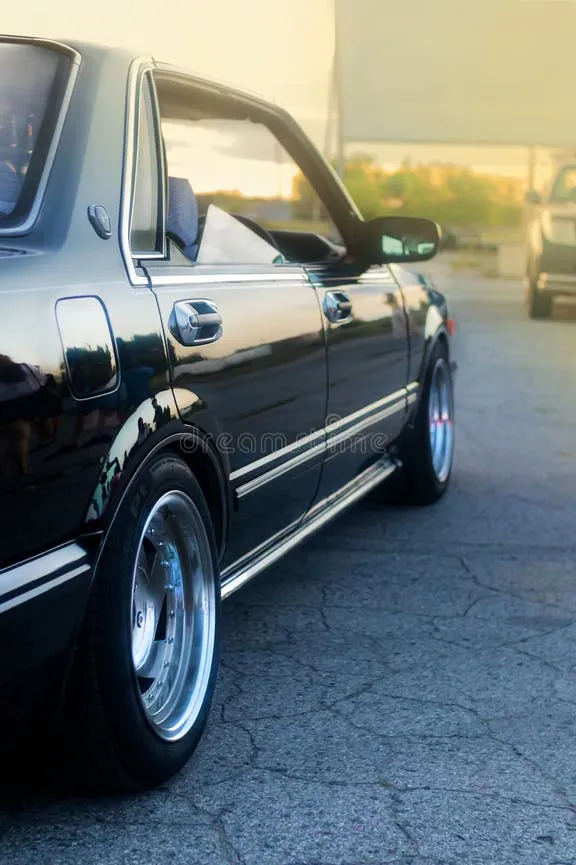
Photo: slammed stance car low rider street meet fitment wheels, via thumbs.dreamstime.com
Walk into any car meet in America and you'll feel the tension before anyone says a word. On one side, you've got the slammed crew — air-bagged, cambered out, fitment dialed to perfection, barely clearing the asphalt. On the other, the track-focused crowd — sensible ride height, sticky tires, suspension geometry that an engineer would actually approve of. Both groups are staring at each other's cars and quietly judging.
But here's the thing nobody wants to admit out loud: the line between these two worlds is a lot blurrier than either side lets on.
What Stance Culture Actually Means
Before we get into the debate, let's be clear about what we're talking about. Stance culture, in its broadest sense, is the pursuit of a specific visual aesthetic — typically a low ride height, wide body fitment, and wheels that sit flush or slightly outside the fender. It draws heavy influence from Japanese street car culture, specifically the VIP and hellaflush scenes that gained massive traction in the US through the late 2000s and early 2010s.
At its most extreme, you've got cars running aggressive negative camber — sometimes eight to ten degrees — with stretched tires and chassis that bottom out on painted parking lot lines. At its more moderate expression, you've got tastefully lowered builds with proper wheel fitment that look stunning without sacrificing every ounce of functionality.
The problem is that the internet tends to show the extremes. And the extremes make it easy to write off the entire culture as purely cosmetic.
The Actual Trade-Offs (No Sugar-Coating)
Let's talk about what aggressive stance modifications actually do to a car's performance, because the physics don't care about your Instagram feed.
Camber. A small amount of negative camber — somewhere between one and two degrees — can actually improve cornering grip by keeping more of the tire contact patch on the road during lateral load. That's why performance-oriented alignment specs often call for some negative camber. Go past three or four degrees, though, and you're sacrificing straight-line braking performance, accelerating inner tire wear, and putting stress on wheel bearings that weren't designed for that geometry.
Ride height. Lowering a car properly — with quality coilovers that maintain appropriate suspension travel — can genuinely improve handling by lowering the center of gravity. But "properly" is doing a lot of work in that sentence. Slamming a car on cut springs or cheap lowering springs without addressing alignment, bump stops, and shock valving is a fast track to a car that handles worse than stock. You've seen the videos of slammed cars hitting bumps and bouncing like shopping carts. That's not performance — that's just low.
Wheel and tire fitment. Running a tire that's stretched to fit a wheel it was never designed for reduces the sidewall's ability to absorb impact and can compromise the tire's structural integrity under hard cornering. It also means less air volume cushioning the rim from road hazards. For a show car that lives on trailers and smooth parking lots, fine. For a daily driver, it's a gamble.
Air suspension. This one's interesting. A quality air bag setup from a reputable manufacturer — think Air Lift Performance, AccuAir, or Ksport — can actually be tuned for reasonable daily driving performance. You're not going to set lap records, but you're not automatically destroying your handling either. The key word is quality. Cheap bag kits are a different story entirely.
Builds That Actually Do Both
Here's where the conversation gets more interesting, because there are real builds out there that refuse to pick a side — and they pull it off.
The Bagged Porsche 911 scene has produced some genuinely impressive examples. Builders running Air Lift Performance setups on 996 and 997-generation 911s have documented solid autocross times alongside stunning visual presence. The air suspension allows them to air up for spirited driving and drop for shows. It's not a perfect solution, but it's a legitimate one.
In the import world, FRS and BRZ builds have long walked this line. The platform is naturally balanced and responds well to modest suspension modifications. Builders running Tein or KW coilovers at a sensible two-inch drop with aggressive but not absurd camber settings have produced cars that are genuinely fun to drive hard while still turning heads at every meet they attend.
Domestic builds do it too. Fox-body Mustangs with subtle rake, proper subframe connectors, quality control arms, and a good set of coilovers have been nailing this balance for decades. They look purposeful rather than slammed, and they back it up when the road gets twisty.
The common thread across every successful dual-purpose build? Intentionality. These builders made deliberate choices about where they were willing to compromise and where they weren't. They didn't just bolt on the lowest possible springs and call it done.
The Daily Driver Question
This is where a lot of enthusiasts have to get real with themselves. If your car is your only vehicle — the one you drive to work five days a week, take road trips in, and rely on year-round — extreme stance modifications are going to make your life harder in very specific ways.
Speed bumps become strategic obstacles. Driveways require approach angle calculations. Rain-soaked roads with aggressive camber become genuinely sketchy. Tire replacement cycles shorten. These aren't hypothetical downsides — they're the lived experience of thousands of builders who went deep on stance and had to either daily a compromised car or roll it back.
If you have a dedicated weekend or show car, the calculus changes completely. Go as low as you want. Stretch those tires. Run all the camber. That's exactly what a dedicated build is for.
But if you're building one car to do everything, honesty about your actual lifestyle matters more than what looks coolest on paper.
Where Do You Actually Stand?
The stance vs. performance debate is real, but it's also been dramatically over-simplified by both sides. Stance culture isn't inherently anti-performance, and performance culture doesn't have to mean boring, tall-riding builds that your grandma would approve of.
The sweet spot exists. It requires more research, more money spent on quality components, and more willingness to accept that you might not hit the absolute extreme of either aesthetic or performance. But the builds that live in that middle ground? They're genuinely some of the most compelling cars in the scene right now.
Stop asking whether you should choose looks or performance. Start asking how much of each you actually need — and build accordingly.
Your car should reflect your priorities, not somebody else's forum post.