Fake Parts, Real Consequences: The Knockoff Crisis Killing Street Builds Across America
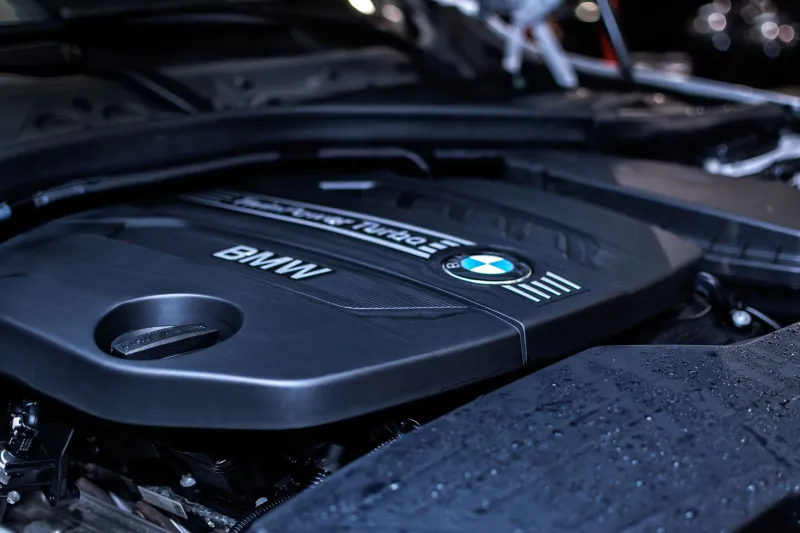
Somewhere in a warehouse overseas, a turbocharger is being stamped with a logo it has no right to wear. It'll get boxed up, shipped across an ocean, and eventually land in the hands of an American enthusiast who thinks he just scored a deal on a name-brand upgrade. Weeks later, that turbo will fail—maybe dramatically, maybe catastrophically—and the build he spent months planning will be sitting dead in a garage.
This isn't a rare horror story. It's happening constantly, all across the country, and the counterfeit performance parts market is only getting worse.
The Scale of the Problem Is Bigger Than You Think
Most people associate fake goods with knockoff sneakers or budget handbags. But the counterfeit automotive parts industry is a multi-billion dollar global operation, and performance components are among the most lucrative targets. Turbos, intercoolers, coilovers, brake kits, headers, intake systems—if it's desirable and expensive, there's a fake version of it somewhere.
US Customs and Border Protection regularly seizes counterfeit auto parts at ports of entry, and the numbers are staggering. In a single recent fiscal year, CBP intercepted hundreds of thousands of fake automotive components valued at tens of millions of dollars. And that's just what they catch. Industry insiders estimate that the seized product represents a fraction of what actually makes it through.
The performance aftermarket is especially vulnerable because enthusiasts are price-sensitive, always hunting for a deal, and often shopping outside traditional retail channels. That combination is exactly what counterfeiters exploit.
Where These Parts Actually Come From
The majority of fake performance components originate in overseas manufacturing hubs, particularly in parts of Asia where intellectual property enforcement is inconsistent at best. Some operations are sophisticated enough to produce packaging that's nearly indistinguishable from the real thing—correct fonts, accurate part numbers, even fake holograms and QR codes that scan but lead nowhere meaningful.
These parts flow into the US through a web of middlemen. Some arrive as direct imports sold through third-party marketplace listings on sites like Amazon or eBay. Others get picked up by small-time distributors who either don't know what they're buying or don't care. A portion even ends up on the shelves of legitimate-looking online storefronts built specifically to move counterfeit inventory.
The pricing is the hook. A genuine name-brand turbocharger might retail for $800 to $1,500. A convincing fake shows up at $250 with free shipping. For a builder on a tight budget, that gap is almost irresistible—especially when the product photos look completely legit.
What Happens When Fake Parts Fail
Here's where the story gets ugly. Performance parts aren't decorative. They operate under extreme stress—high temperatures, intense pressure, constant vibration. When a counterfeit component is built with substandard materials and sloppy tolerances, it doesn't just underperform. It fails in ways that can cascade through an entire drivetrain.
A fake turbo with a poorly balanced compressor wheel can destroy itself and send shrapnel into your engine. Counterfeit coilovers made from inferior steel can crack or collapse under load, turning a spirited run into a crash. Bogus brake components—rotors, pads, even calipers—have been linked to real accidents when they fade or fracture under hard use.
Beyond the mechanical damage, there's the financial gut-punch. The $250 you saved on a fake turbo can easily turn into a $4,000 engine rebuild. Worse, if a counterfeit part contributes to an accident, your insurance situation gets complicated fast. Adjusters aren't sympathetic to "I didn't know it was fake" when the failed component is sitting in the wreckage.
The Brands Getting Hit Hardest
Counterfeiters go after recognizable names because that's what sells. Brands like Garrett, KW Suspension, Tein, Brembo, HKS, Mishimoto, and Turbosmart have all publicly warned customers about fake products circulating under their names. Some have even set up authentication programs—apps, holograms, serialized tags—specifically because the problem got bad enough to demand a response.
Garrett, one of the most counterfeited turbo brands in the world, has an entire section of their website dedicated to helping customers verify authenticity. That's not a marketing exercise. That's a company responding to a genuine crisis affecting their customers and their reputation.
How to Spot a Fake Before It Wrecks Your Build
Getting burned isn't inevitable. There are real steps you can take to protect yourself.
Buy from authorized dealers. Every major performance brand publishes a list of authorized US retailers. If a seller isn't on that list, that's your first red flag. Shopping direct from a brand's own website or through established retailers like Summit Racing, Jegs, or brand-specific dealers eliminates most of the risk.
Be skeptical of marketplace listings. Amazon and eBay are convenient, but third-party sellers on those platforms are where a lot of counterfeit product moves. If the price is dramatically below MSRP and the seller has no verifiable track record, walk away.
Check the packaging and hardware closely. Counterfeit parts often have subtle tells—off-color logos, slightly wrong fonts, cheap hardware with inconsistent threading, or packaging that feels flimsy compared to the real thing. If you've handled genuine product before, fakes often feel noticeably lighter or cheaper in hand.
Use authentication tools when available. Many brands now include QR codes, scratch-off authentication codes, or holographic stickers that link to a verification system. Use them. A real brand's authentication will confirm the specific product and serial number. A fake will either fail to verify or redirect you somewhere vague.
Ask the community. The car enthusiast community is one of the best resources you have. If you're unsure about a seller or a deal that seems too good, post in a forum, ask in a Discord server, or reach out to a club. Chances are someone has already encountered that seller and has receipts.
The Bigger Picture
Counterfeit parts aren't just a personal problem for the builder who gets burned. They degrade trust in the entire aftermarket ecosystem. When someone has a bad experience with what they think is a legitimate product, it damages the real brand's reputation unfairly. It also muddies the waters for legitimate budget-friendly alternatives—plenty of honest value-tier brands exist, and the knockoff flood makes it harder to distinguish genuine affordable options from dangerous fakes.
Street car culture is built on ingenuity, resourcefulness, and a deep respect for what machines can do when they're properly built and maintained. Counterfeit parts are a direct attack on all of that. They promise performance and deliver failure.
Do the homework. Buy smart. Protect your build—because no deal is worth losing it over.